Commercial refrigeration repair in Manhattan

Reach-in refrigerators and freezers, undercounter units, prep tables, beverage and back-bar coolers, display cases and remote refrigeration systems for restaurants, bars, offices, shops and buildings. Tell us the equipment and whether it is down, and dispatch calls you back.

Commercial service · Manhattan & NYC

Local Manhattan team since 2020Licensed & insured technicians · Manhattan & NYC
Call +1 (929) 351-3230
  • EPA Section 608 certified
  • Licensed & insured
  • 90-day labor warranty
  • 30-day money-back guarantee

Labor warranty and money-back guarantee apply only to repairs performed by our technicians. Warranty on replacement parts depends on the supplier’s or manufacturer’s terms and applies only to parts installed by our technicians. Terms and conditions apply.

Unit down or product at risk? Choose ASAP in the request or call dispatch. ASAP requests get a priority call-back; an immediate visit cannot be guaranteed.

Brands

Commercial Refrigeration Brands We Service

A selection of the makes our technicians service. Logos only identify the equipment; Markovfam is an independent service company.

  • Arctic Air
  • Traulsen
  • Summit

We Service All Major Brands — Don’t See Yours? Contact Us.

Overview

Reliable Commercial Refrigeration Starts with Proper Diagnosis

A commercial cabinet works harder than a household one: doors open all day, hot kitchens heat the condenser, and a prep table keeps a cold rail of food at temperature next to a griddle. When one of these units drifts, product and prep time are lost quickly.

We repair self-contained cabinets and the remote systems behind them. Walk-in boxes have their own pages: see walk-in coolers and walk-in freezers.

Symptoms

Common Commercial Refrigeration Problems

These are the calls we get most often. The same symptom can have several causes, which is why we measure before replacing anything.

What each problem usually points to

  • Cabinet runs warm

    Product is above the 41°F cold-holding limit used by the NYC Health Code, or the display and the real air temperature disagree. Causes range from a dirty condenser to a failed evaporator fan or a refrigerant-side fault.

  • Compressor runs constantly or short-cycles

    Continuous running usually points to heat rejection or airflow problems. Rapid on-and-off cycling can come from a start component, a controller or sensor, or a low-charge condition.

  • Frost or ice inside the cabinet

    Heavy frost on the evaporator or back wall suggests a defrost, airflow or door-seal issue. Melting and refreezing at the drain is another sign of a blocked condensate path.

  • Water on the floor under the unit

    A clogged drain line, a full or failed condensate pan, or a leaking door-frame heater can all put water on the floor. The source has to be traced before it is cleared.

  • Warm top rail on a prep table

    The cabinet may be cold while the pan rail is not. The rail relies on its own air path and fan, so a blocked path, a failed fan or a lid and pan problem is checked separately.

  • Damaged gaskets or doors that will not close

    Torn or hardened gaskets, sagging doors and bent hinges let warm air in and make the compressor run longer than it should.

  • Noise or vibration

    Fan blades, loose panels, a compressor mounted on worn isolators and failing fan motors each have a different sound. Describing the sound in the request helps dispatch prepare.

  • Controller alarm, blank display or wrong reading

    A faulty probe, loose connector or failed controller can show a false temperature or shut a unit down. We compare the display with an independent measurement.

Call +1 (929) 351-3230

Equipment

Types of Commercial Refrigeration We Repair

Pick the closest match when you request service. Remote condensing units and rooftop systems are covered in their own section below.

  • Reach-in refrigerators & freezers

    One-, two- and three-section upright cabinets with solid or glass doors, used for line storage and back-of-house holding.

    • Self-contained compressor and condenser
    • Evaporator fan, defrost and door gaskets
    • Digital or mechanical thermostat
  • Undercounter refrigerators

    Low cabinets and drawer units set under a worktop on a cook line, bar or pastry station, often in tight, hot spaces.

    • Condenser coils clog quickly under a line
    • Drawer rails and gaskets wear
    • Limited airflow around the unit
  • Prep tables

    Refrigerated sandwich and salad tables, with a cold well on top and a cabinet below, so both areas must hold temperature.

    • Top rail cooled by a separate air path
    • Lid, pan and drain condition
    • Warm rail with a cold cabinet is a common call
  • Beverage coolers

    Glass-door and solid-door coolers for bottles and cans in cafés, offices, shops and bars, with frequent door traffic.

    • Lighting, door heaters and gaskets
    • Condensate management
    • Quiet-running requirements in customer areas
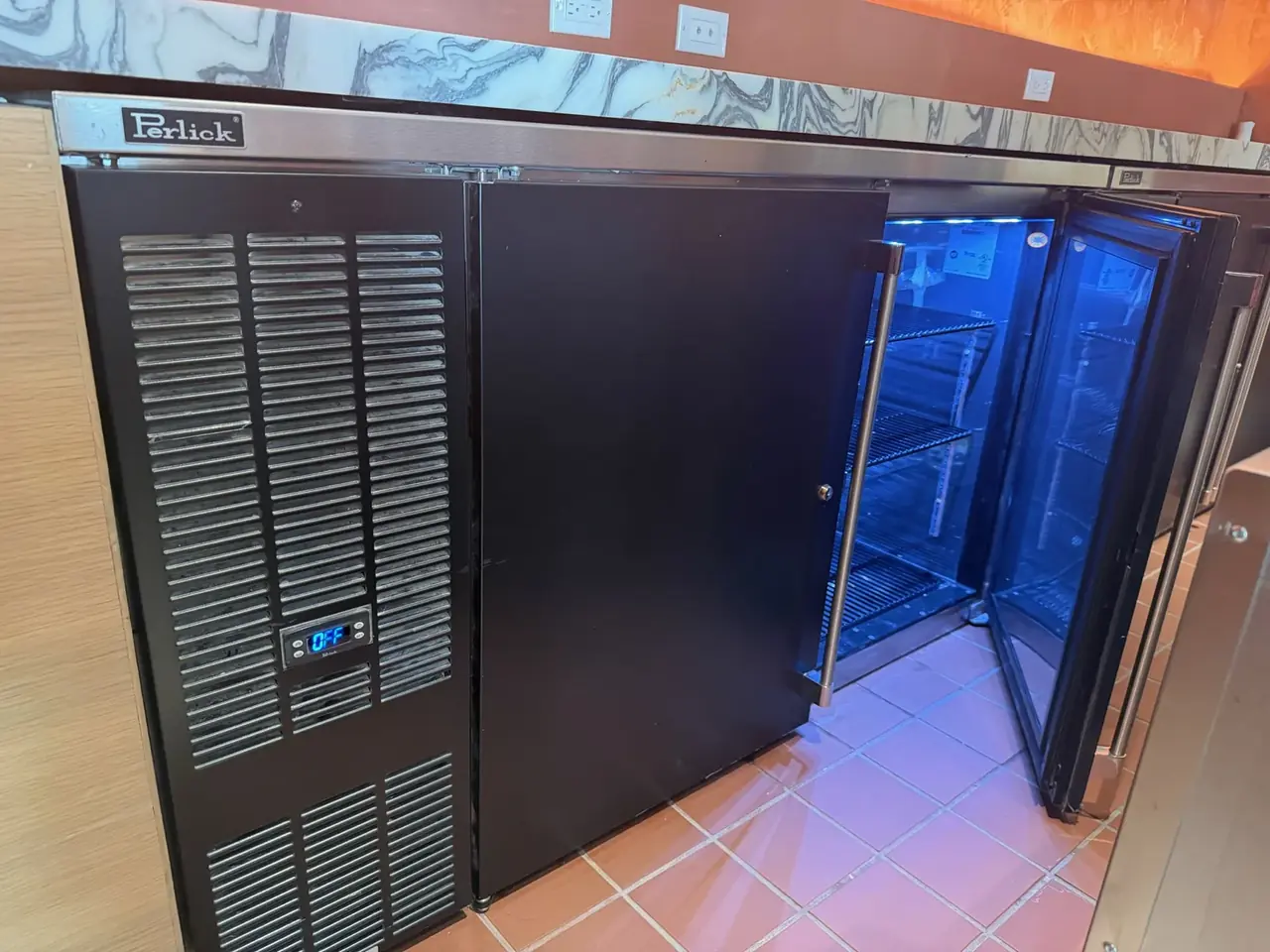
  • Back-bar refrigerators

    Low, ventilated cabinets behind a bar with glass or solid doors, built into cabinetry with limited clearance.

    • Ventilation and heat from neighboring equipment
    • Slide or swing doors with heavy daily use
    • Interior lighting and controllers
  • Display refrigeration

    Merchandisers and deli or bakery display cases where temperature, airflow and lighting all affect product presentation.

    • Even temperature across shelves
    • Fan, coil and lighting faults
    • Condensate and defrost drainage

Diagnosis

How We Diagnose Commercial Refrigeration

We work from the outside in, so simple causes are found first and a sealed-system repair is recommended only when testing points there.

  1. Measure the real temperature

    We compare cabinet air and product temperature with the setpoint and the controller reading, so a bad probe is not mistaken for a cooling fault.

  2. Check the heat-rejection side

    Condenser coil condition and airflow are checked first. A coil packed with grease and lint is among the most common reasons for a unit to run hot.

  3. Inspect the evaporator, fans and defrost

    We look at frost pattern, fan operation, drain path and the defrost circuit, because a frozen coil blocks airflow and looks like a refrigeration failure.

  4. Test electrical components

    Start components, contactors, fan motors, heaters and the controller are tested before any part is called failed.

  5. Verify the sealed system

    When the evidence points to the refrigerant circuit, gauges and leak checks are used. EPA Section 608 certified technicians handle refrigerant work.

  6. Confirm before we leave

    After the repair we check that the unit is running normally and explain what we found and what was done, with the quote reviewed before work starts.

Remote systems

Remote Condensing Units & Rooftop Refrigeration Systems

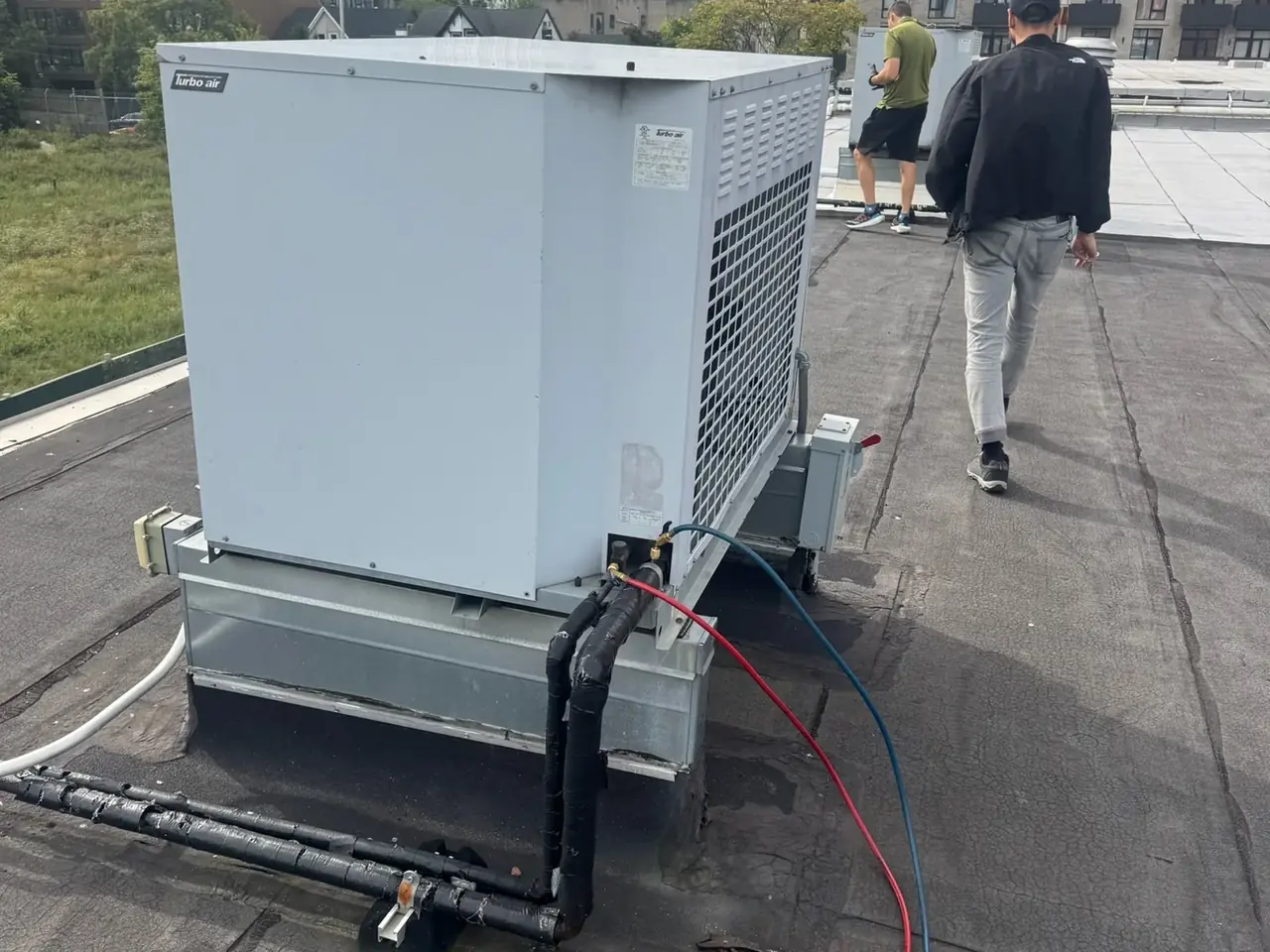
In many Manhattan buildings, the compressor for a bar, a display case or a bank of cabinets is not inside the cabinet. It is a remote condensing unit or a compressor rack in a basement, a service corridor or on the roof, connected to the cabinet by refrigerant lines.

Those units carry the full load of summer heat, weather and debris, so a cabinet can run warm while the actual fault is on the roof. We trace the whole circuit: the cabinet or case, the line set, the valves and controls, and the condensing unit.

Roof and basement locations usually need advance coordination with the building. Add access details and any COI requirement to your request so dispatch can plan the visit.

  • Remote condensing units and compressor racks
  • Line sets, valves and controls
  • Condenser coils and fans exposed to weather and heat
  • Roof, basement and service-corridor access arranged with the building

From the field

Commercial Refrigeration We’ve Serviced

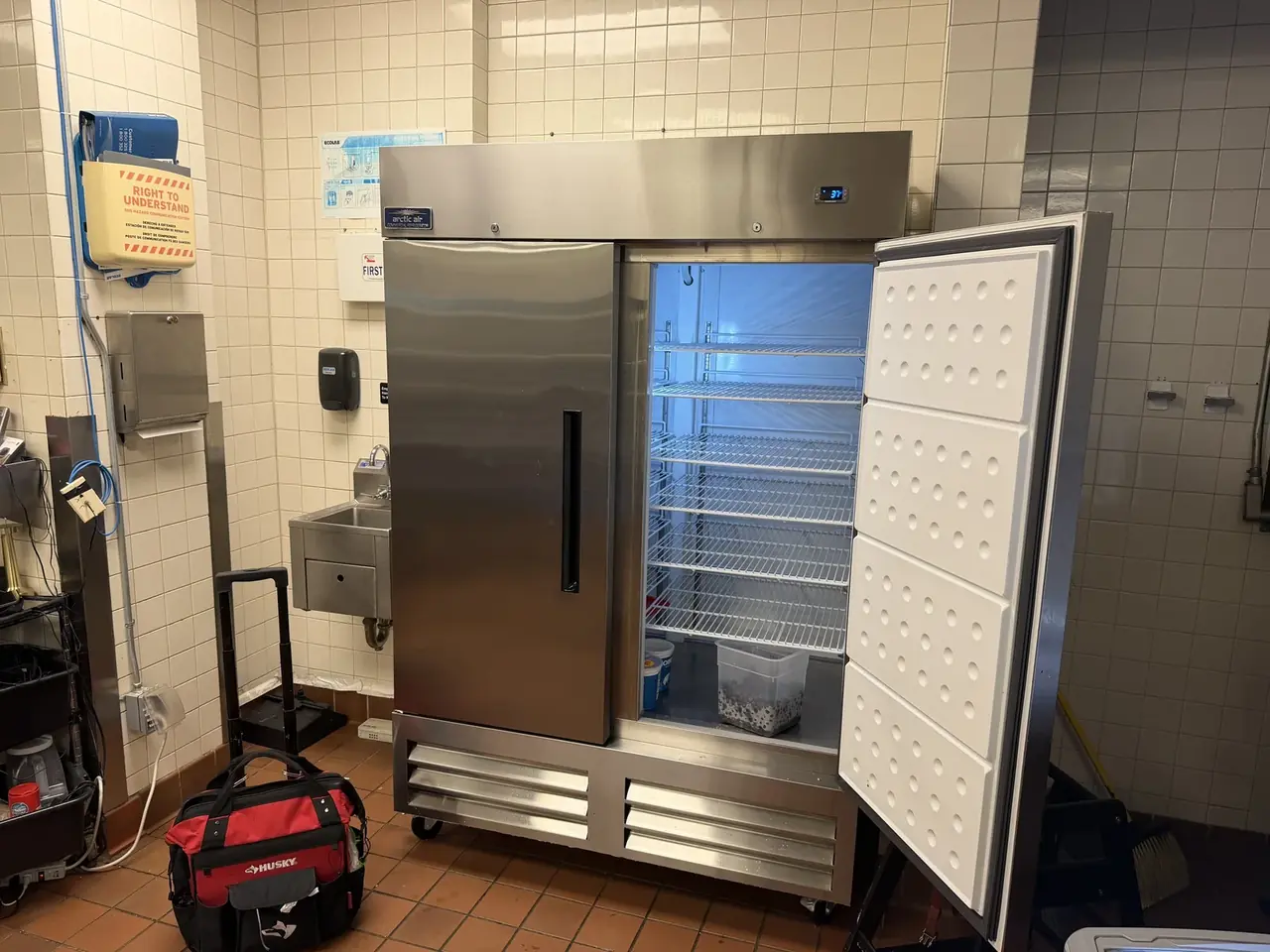
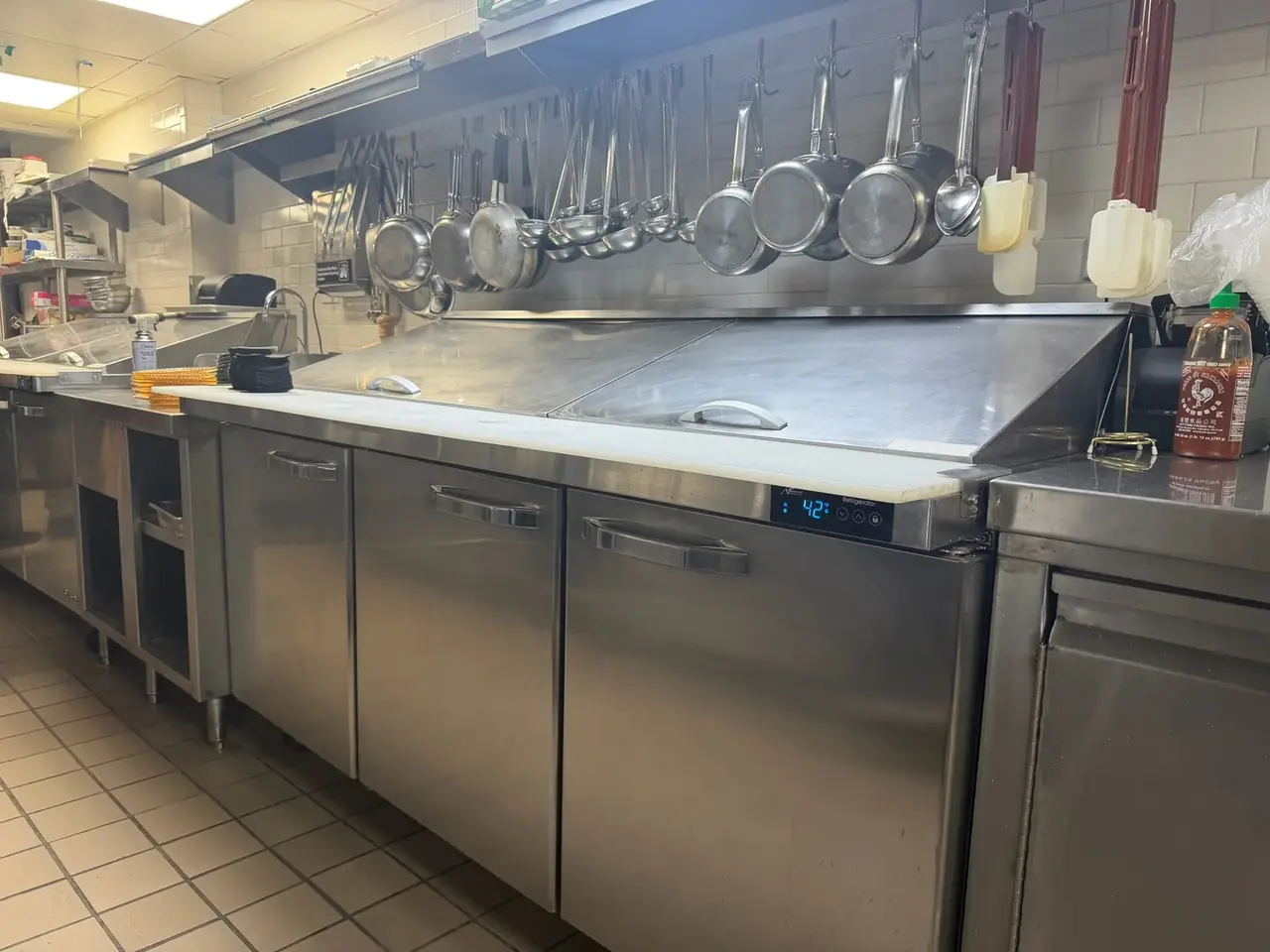
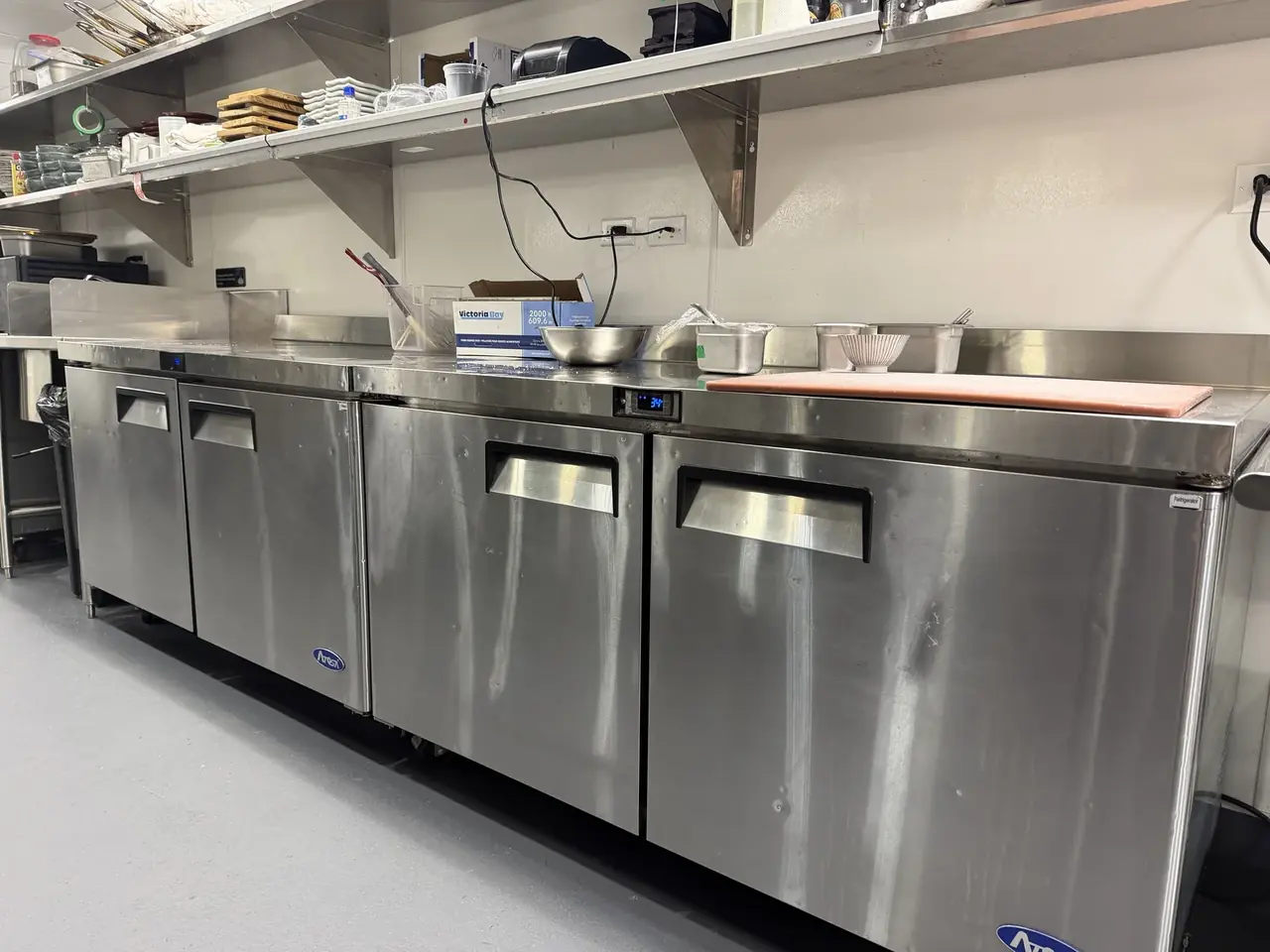
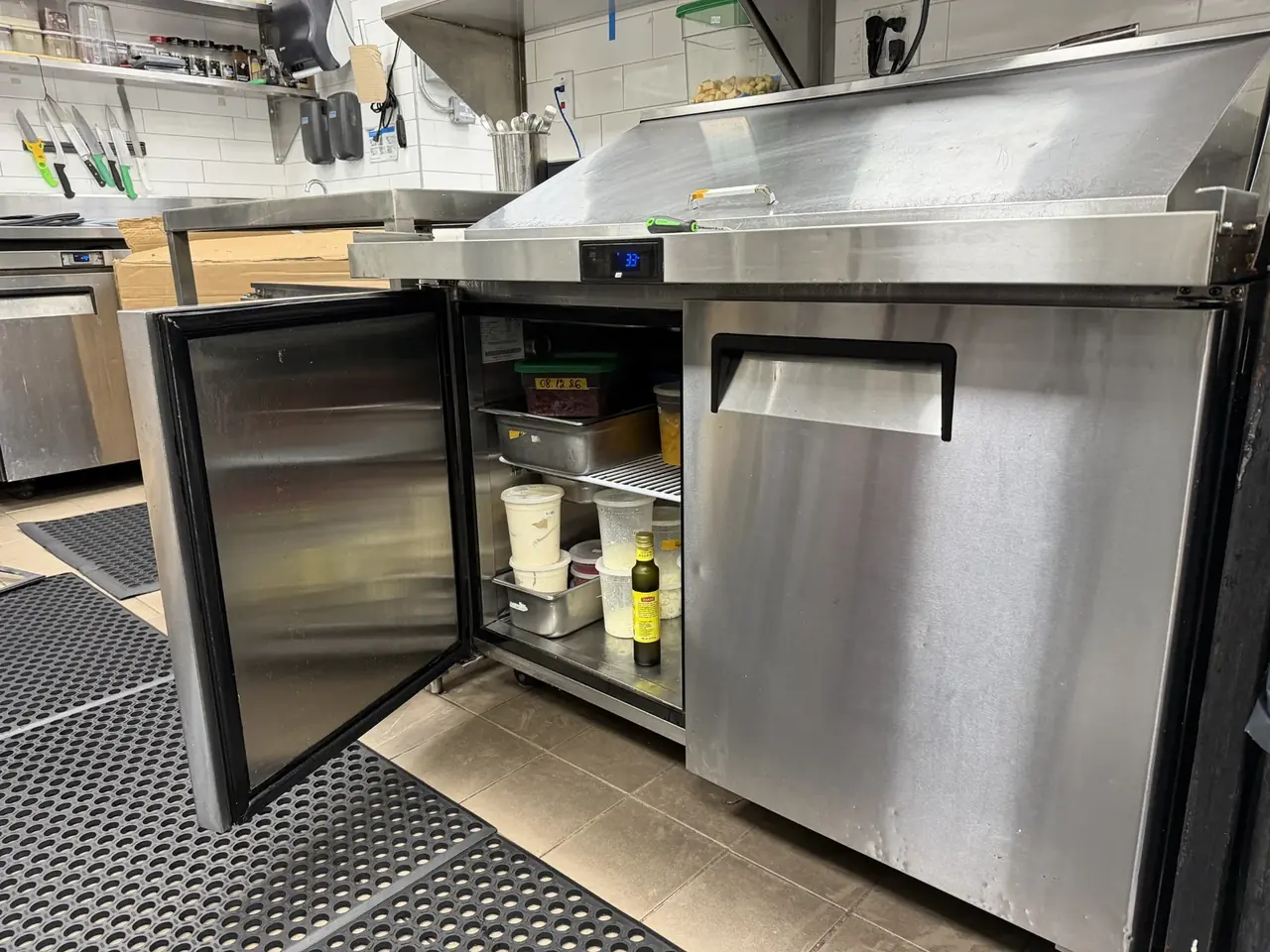
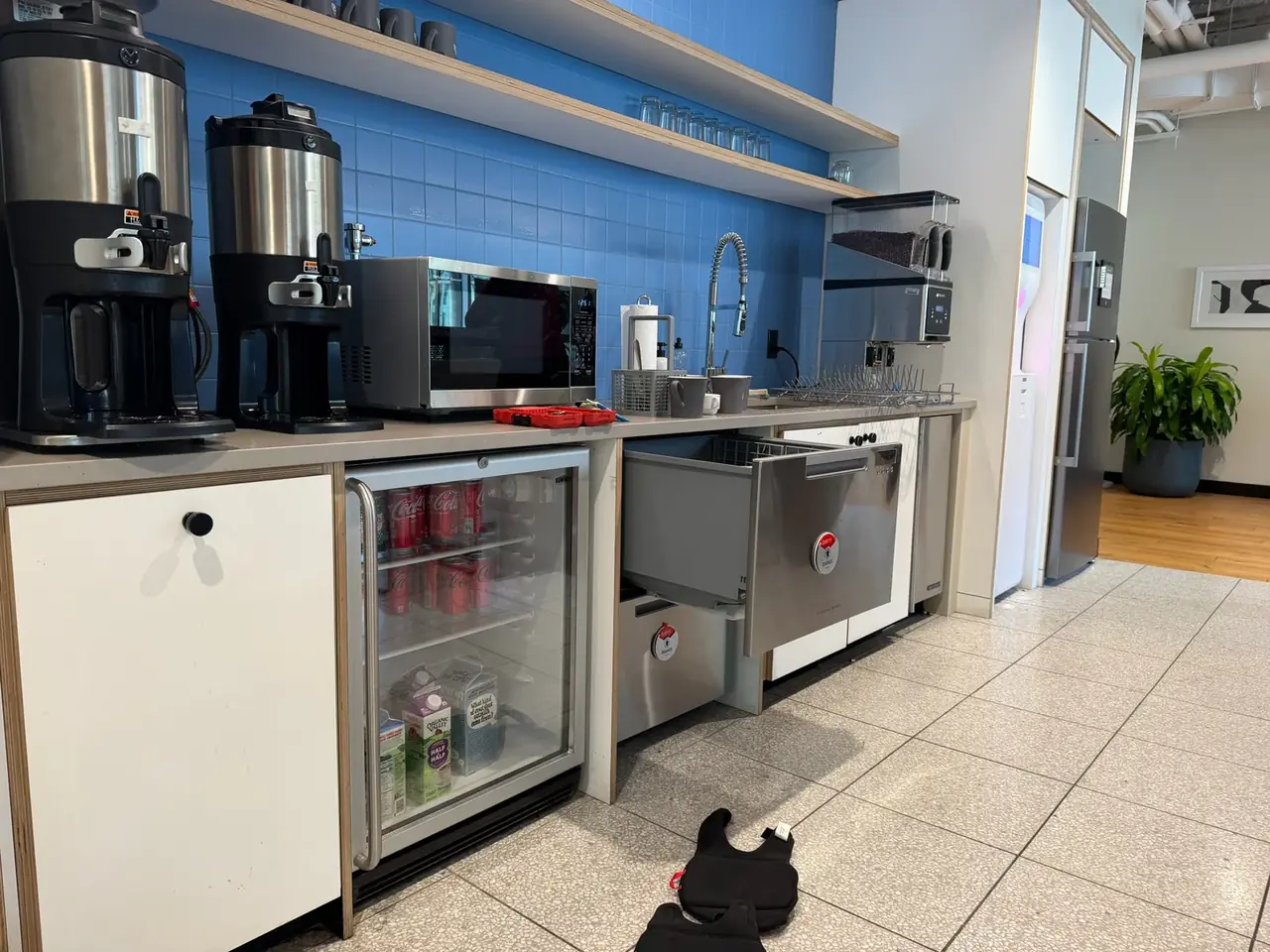
Field photos from commercial kitchens, bars and offices where our technicians have worked. Each caption describes the equipment shown.

Building access & COI

Building Access & COI Requirements

Many Manhattan buildings require a certificate of insurance and a scheduled access window before a contractor can work on site. Include those details in your request so dispatch can plan the visit.

  • Choose COI Required in the request and upload the building’s requirements or a sample certificate.
  • Tell us the freight-elevator or loading-dock hours and any escort rule.
  • Note where the equipment is, and where its condensing unit or water supply is if that is elsewhere.
  • Mark the equipment as down and choose ASAP if it is urgent.
Call +1 (929) 351-3230

Questions

Commercial Refrigeration FAQ

Do you repair both commercial refrigerators and commercial freezers?

Yes. We service reach-in, undercounter and prep-table freezers as well as refrigerators. Choose the closest equipment type in the request and mention in the problem description that the unit is a freezer.

Can you service refrigeration that runs from a remote condensing unit?

Yes. We trace the cabinet or case, the line set and the condensing unit as one system. Tell us where the condensing unit is installed and how access is arranged so dispatch can plan the visit.

What should I have ready when I request service?

The make and model from the data plate, how many units are affected, what the unit is doing, and whether product is at risk. Photos of the data plate and the symptom are helpful when you describe the problem.

My building requires a COI. How do I handle that?

Choose COI Required in the request and upload the building’s requirements. Dispatch reviews them before scheduling so the visit can be arranged with the building.

Is it better to repair or replace an older cabinet?

It depends on the age, the fault and the cost of parts. After testing we explain what we found and the options, and the quote is reviewed with you before any repair starts.

Where do walk-in coolers and freezers fit?

Walk-in boxes have their own pages with details on evaporators, doors, defrost and rooftop condensing units. See walk-in cooler repair and walk-in freezer repair.

Related

More Commercial Services

Commercial · Manhattan & NYC

Equipment down? Request commercial service.

Send the equipment details, mark the request ASAP if it is urgent, and attach your building’s COI requirements. Or call dispatch.

+1 (929) 351-3230